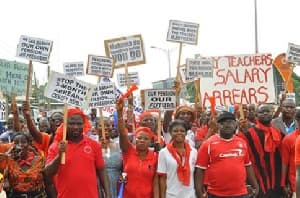
Teachers in public basic schools across Ghana have returned to the classroom on Monday, October 12, 2026, following the suspension of a nationwide strike that disrupted teaching and learning for nearly two weeks. The industrial action, which began on September 25, was declared by the Ghana National Association of Teachers (GNAT), the National Association of Graduate Teachers (NAGRAT) and the Pre-Tertiary Teachers Association of Ghana (PRETAG) over unpaid promotion arrears, delays in salary adjustments and concerns about allowances for teachers serving in deprived areas.
The unions suspended the strike on Friday, October 9, after reaching an agreement with the Fair Wages and Salaries Commission (FWSC) following discussions involving government representatives and the Council of State. The agreement paved the way for teachers to resume work while the relevant authorities continue efforts to address their outstanding demands.
Dr George Smith-Graham, Chief Executive Officer of the FWSC, said arrears relating to promotion and placement were expected to be paid to 51,000 teachers by October 16, with the remaining payments scheduled to be completed by the end of October. He also indicated that payments for the digital instruction support allowance were expected in November, while the continuous professional development allowance was scheduled for December 2026.
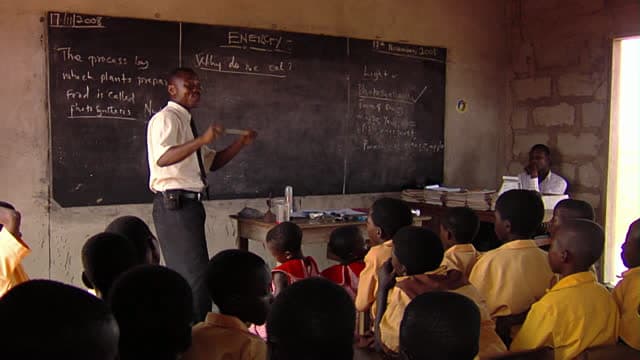
Meanwhile, some schools in Accra have already resumed academic activities, with school authorities considering extra lessons to make up for the instructional hours lost during the strike. At Liberty Avenue 1 and 4 Basic School, the headmaster, Wellington Akwetey Amanor, said the school would organise early-morning and late-afternoon classes to help pupils catch up.
Although the suspension has brought relief to parents and learners, attention will now turn to whether the government fulfils the agreed payment commitments within the announced timelines. The teacher unions have also indicated that discussions on other outstanding concerns will continue.
Source: GhanaNsem