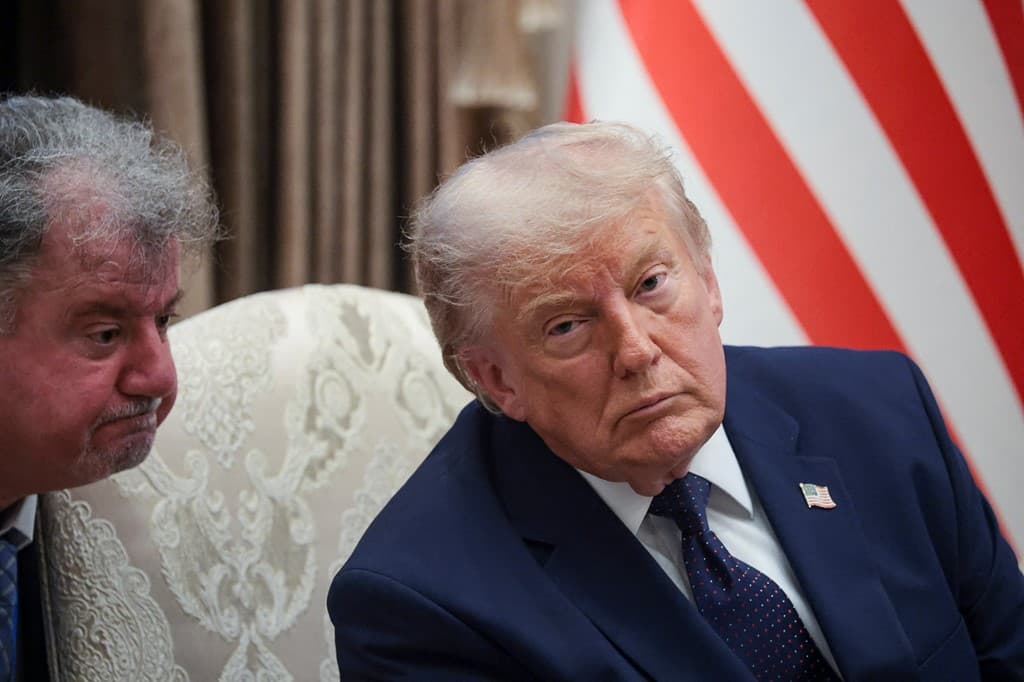
Donald Trump has criticised NATO ahead of the alliance’s summit in Ankara, saying he was “very disappointed” with NATO and suggesting he may not have attended if the meeting had not been hosted in Turkey.
Speaking to reporters after arriving in Ankara, Trump said the summit was significant because of Turkey’s leadership and his relationship with Turkish President Recep Tayyip Erdoğan.
However, he criticised NATO members over what he described as a lack of support, saying the alliance had not treated the United States fairly following recent US military action involving Iran.
“I was very disappointed with NATO,” Trump told reporters.
Trump has repeatedly pushed NATO allies to increase defence spending, arguing that the United States has carried too much of the financial burden for the alliance. The issue of defence investment is expected to be a major topic at the summit, with pressure on member states to meet higher spending commitments.
Trump’s uneasy relationship with NATO
Trump’s criticism reflects his long-running tensions with NATO. During his previous presidency, he frequently accused European allies of not contributing enough to collective defence and questioned whether the US should continue carrying its current role within the alliance.
Supporters of his approach argue that his pressure has encouraged NATO countries to increase military spending. Critics warn that his comments create uncertainty about US commitment to the alliance at a time of heightened security concerns, particularly because of Russian invasion of Ukraine.
Ukraine war dominates summit discussions
The summit comes as the war in Ukraine continues, with Ukrainian President Volodymyr Zelenskyy warning that Russia is increasingly shifting its strategy toward aerial attacks.
Reports indicate Russia launched hundreds of drones toward Moscow overnight, while Ukraine has targeted vessels linked to Russia’s so-called “shadow fleet,” a network of ships accused of helping bypass sanctions on Russian oil exports.
NATO leaders are expected to discuss continued support for Ukraine, defence spending, and the future security strategy of the alliance.