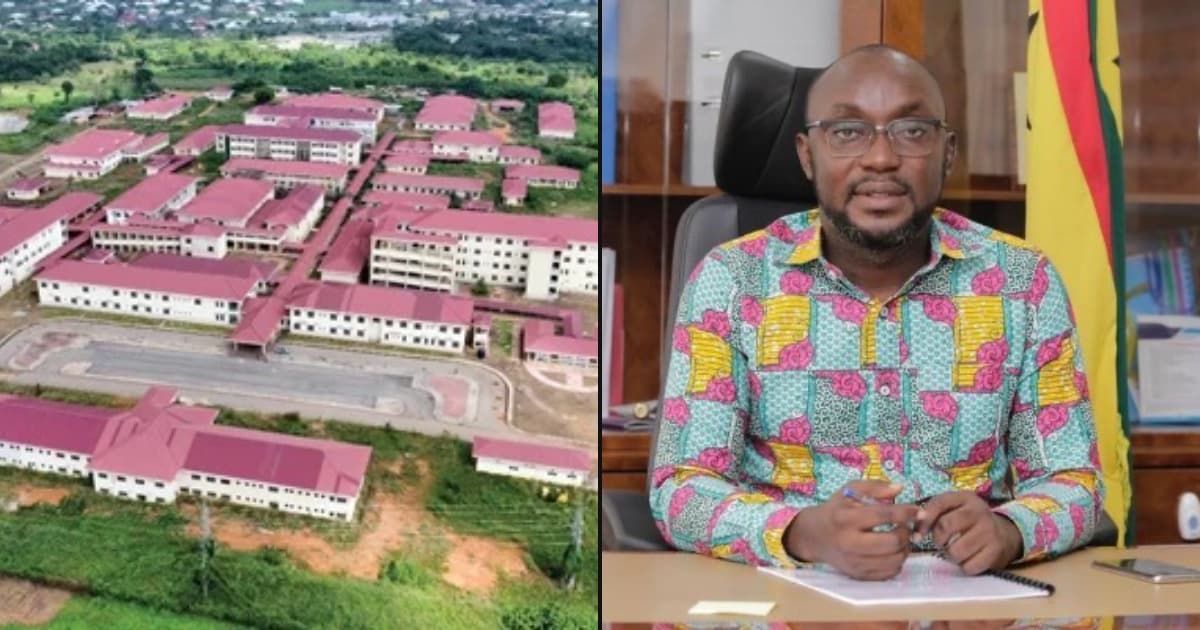
The stalled construction of the Afari Military Hospital in the Ashanti Region has come under renewed scrutiny following reports of abandoned building materials deteriorating at the project site.
Several construction materials, including bags of cement and other essential supplies, have reportedly been left exposed to harsh weather conditions for an extended period due to delays in the completion of the hospital. The situation has raised concerns about waste, mismanagement, and the future of the much-anticipated healthcare facility.
During a visit to the project site, the Member of Parliament for Abuakwa South, Kingsley Agyemang, expressed disappointment over the state of the project. He described the abandoned materials as a clear example of resource wastage and questioned why a critical healthcare infrastructure project had been allowed to deteriorate.
According to him, the prolonged delay is not only affecting the quality of materials already procured but is also denying residents access to a facility that was expected to strengthen healthcare delivery in the region.
Images and videos from the site show stacks of cement bags damaged by rain and exposure to the elements, with some materials appearing unusable. Observers fear that continued delays could lead to further losses and increased costs when construction eventually resumes.
The Afari Military Hospital project was designed to enhance medical services for both military personnel and civilians. However, years after construction began, the facility remains incomplete, drawing criticism from residents and stakeholders who believe the project should have been prioritized.
Mr. Agyemang has called on the relevant authorities to urgently intervene and ensure work resumes on the project. He stressed that completing the hospital should be treated as a national priority, especially at a time when access to quality healthcare remains a major concern for many communities.
The latest revelations have intensified calls for accountability and swift action to prevent further deterioration of the project and safeguard public resources already invested in the facility.