
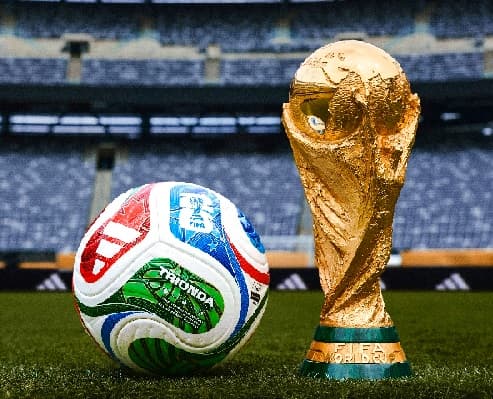
The 2026 FIFA World Cup is proving to be more than just a celebration of football, with new figures highlighting the tournament’s enormous financial power.
According to a Forbes SportsMoney report, the competition is expected to generate unprecedented commercial value through broadcasting rights, sponsorships, ticket sales and hospitality packages, cementing its status as one of the world’s biggest sporting business events.
Hosted across the United States, Canada and Mexico, the expanded tournament features 48 national teams and 104 matches—the largest World Cup in history. The expanded format is expected to attract millions of fans while creating significant economic opportunities for host cities and businesses.
Forbes notes that the event is drawing record-breaking ticket demand, with premium hospitality experiences selling for thousands of dollars. FIFA has also introduced record prize money, with a total distribution of $871 million, while the governing body expects to generate billions of dollars from television rights, sponsorships and commercial partnerships.
Industry analysts estimate that brands will spend more than $10.5 billion on marketing and sponsorship activities linked to the tournament. Beyond football, the World Cup is projected to create hundreds of thousands of jobs and contribute over $40 billion to global economic output.
The tournament’s commercial success has also extended into sports betting, with analysts predicting the 2026 edition will become the biggest betting event in history due to its expanded format and global audience.
As football continues to unite fans across continents, the 2026 FIFA World Cup is also redefining the business of sport, demonstrating how the world’s biggest football tournament has evolved into one of the most lucrative global entertainment properties.