Speaking on Onua FM, Benghazi asserted that all other ethnic groups in Ghana were essentially given places to settle by the Ashantis, whom he described as the original and true custodians of the land. He argued that history backs his position, claiming the Ashanti people were already established before other tribes arrived and built their own communities in various parts of the country. The comments triggered immediate and widespread condemnation online, with Ghanaians from across the country calling out the remarks as dangerous, divisive, and completely out of place in public discourse. One netizen questioned the entire point of the statement, asking what such commentary contributes to nation building at a time when the country is grappling with real and pressing challenges. Another called on the NPP to urgently rein in its communicators, expressing embarrassment at the idea of non-Ashanti Ghanaians having to sit and listen to such claims on national radio. A third commenter dismissed the assertion entirely, pointing out that Ghana is home to many distinct traditional lands — Ga, Fante, Volta, Dagbon, Mamprusi, Techiman and others — none of which belong to the Ashantis, adding that even the Asantehene himself would not make such a claim. The backlash reflects deep sensitivity around ethnic discourse in Ghana, where national unity and inter-ethnic respect are considered foundational values. Many are now calling for more responsible and measured communication from political party representatives, particularly on platforms with wide public reach.
Politics
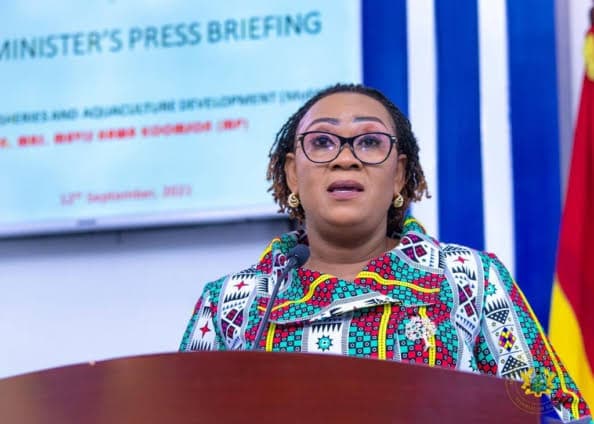
Watch: I’ll Give Every Woman Pepper Spray If I Win”- Hawa Koomson
Hawa Koomson has pledged to provide pepper spray to women if elected as the NPP National Women’s Organiser. She says the move would help women protect themselves in dangerous situations and would be accompanied by self-defence training.