Mamprusi Youth Alleges Government Bias in Bawku Conflict, Sparks Debate
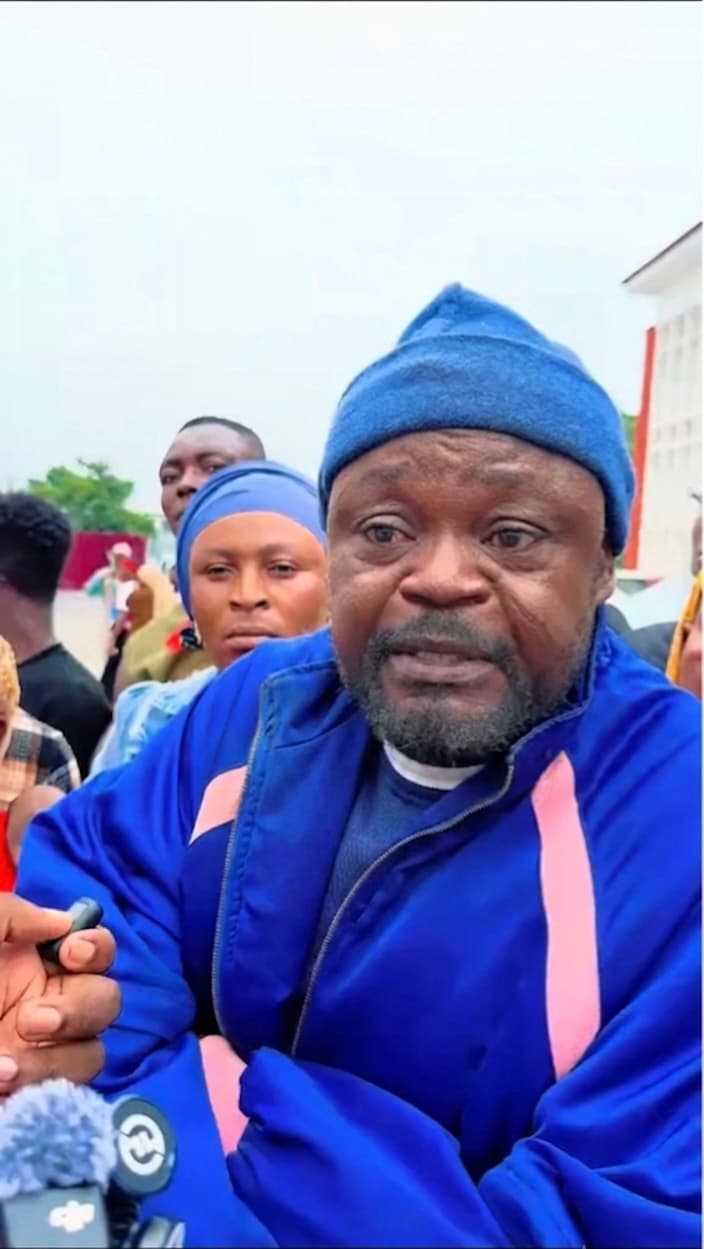
A Mamprusi youth has sparked widespread discussion after accusing the government of displaying bias in its handling of the longstanding Bawku conflict, one of Ghana’s most complex and sensitive chieftaincy disputes.
Speaking during a public discussion on the situation in Bawku, the young man expressed frustration over what he described as unequal treatment of the parties involved in the conflict. According to him, the government’s approach has failed to address the concerns of all stakeholders fairly, leading to growing dissatisfaction among some members of the Mamprusi community.
In a strongly worded statement, he claimed that historical and territorial issues connected to the dispute are often overlooked in public conversations. He argued that if historical claims were to be revisited comprehensively, significant portions of Ghana’s northern territories could be contested, suggesting that “half of Ghana” could be claimed and even returned to neighboring countries such as Burkina Faso or Togo.
The remarks have generated mixed reactions on social media, with some people supporting his call for a broader discussion on the historical roots of the conflict, while others criticized the comments as inflammatory and potentially harmful to ongoing peace efforts.
The Bawku conflict, which has persisted for decades, centers largely on chieftaincy and land ownership disputes between ethnic groups in the area. Over the years, the conflict has resulted in periodic outbreaks of violence, loss of lives, destruction of property, and displacement of residents.
Successive governments, traditional leaders, security agencies, and peace-building organizations have undertaken various initiatives aimed at restoring lasting peace to the municipality. However, tensions continue to resurface despite these interventions.
Observers have urged all parties involved to exercise restraint and avoid statements that could heighten tensions, emphasizing the need for dialogue, reconciliation, and cooperation in finding a sustainable solution to the conflict.
As discussions surrounding the latest comments continue, many Ghanaians are calling for renewed efforts to strengthen peacebuilding initiatives and address the underlying issues fueling the conflict in Bawku.