Ghana is stepping up its efforts to reduce dependence on imported rice, with the government setting an ambitious target of achieving full self-sufficiency in rice production by 2028.
The Minister of Food and Agriculture, Eric Opoku, says the country wants to raise annual paddy rice production to about 3.31 million metric tonnes within the next two years. The announcement comes as government prepares to implement the Regional West Africa Resilient Rice Value Chains Development Project, known as REWARD. (Graphic Online)
Under the initiative, Ghana is expected to benefit from an US$18.8 million grant from the African Development Bank to strengthen different parts of the rice industry. The programme will focus on increasing production, improving farming methods, expanding mechanisation and addressing some of the challenges that have kept local rice output below national demand. (MyJoyOnline)
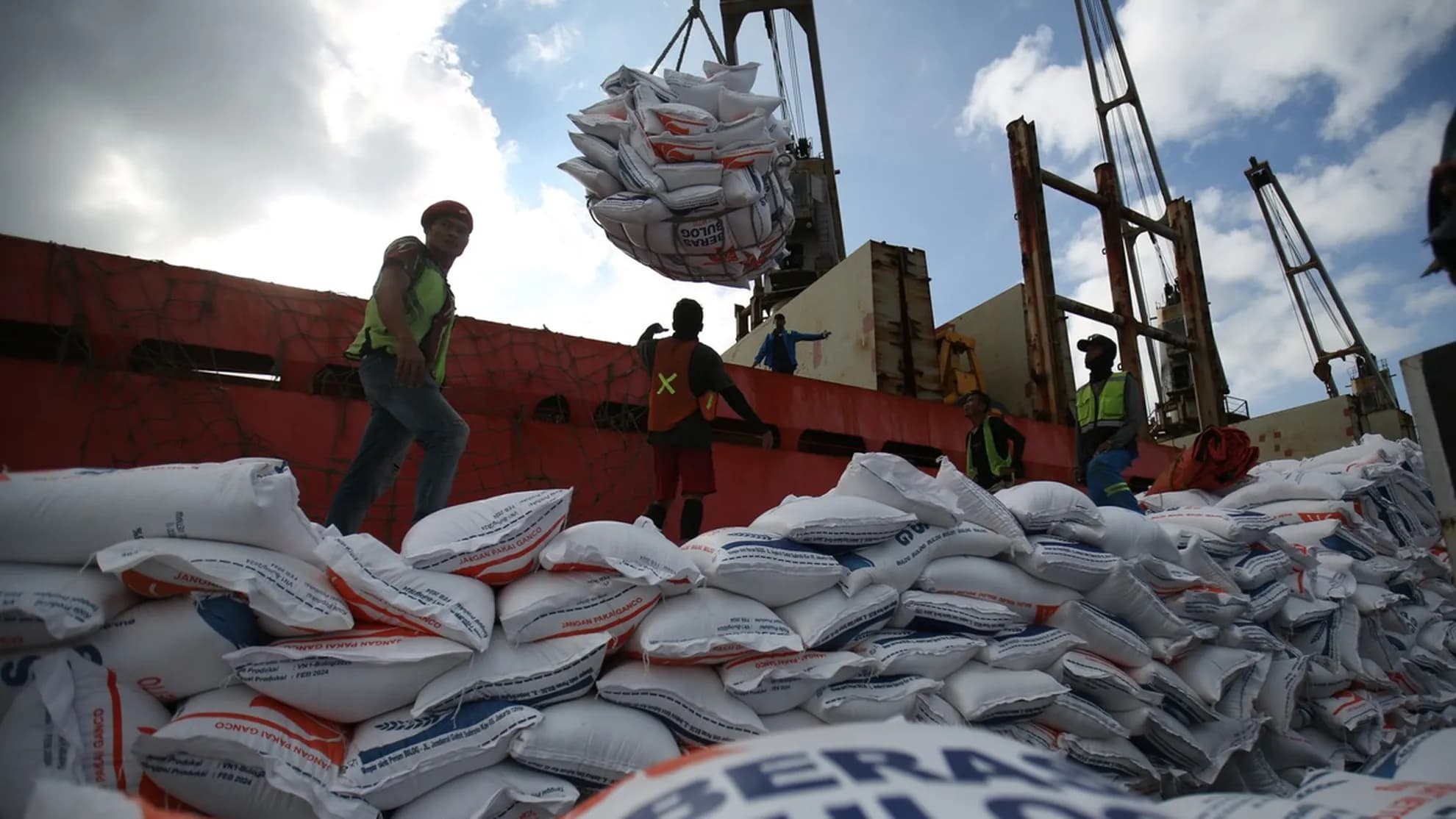
According to the Agriculture Minister, locally produced rice currently satisfies only about 56% of national demand, leaving roughly 44% to be covered through imports. Ghana spends hundreds of millions of dollars every year importing rice, money government believes could instead circulate within the local economy and benefit farmers, millers and other businesses. (MyJoyOnline)
The project is expected to develop about 3,200 hectares of land in the Northern Savannah Ecological Zone while supporting more than 20,000 smallholder farmers in selected districts. Farmers are also expected to receive improved seeds, machinery and other assistance aimed at raising average yields from around 3.5 tonnes to 4.5 tonnes per hectare. (3News)
Government also plans to strengthen rice processing, storage and marketing, with selected processing centres expected to receive equipment while measures are introduced to reduce post-harvest losses. The REWARD project is expected to be formally launched in November ahead of the 2027 production season.
If the programme succeeds, Ghana could gradually reduce its reliance on imported rice while creating more opportunities for local farmers and businesses. But with the 2028 target fast approaching, many Ghanaians will be watching closely to see whether the planned investment can translate into a significant increase in actual production.
Source: GhanaNsem