
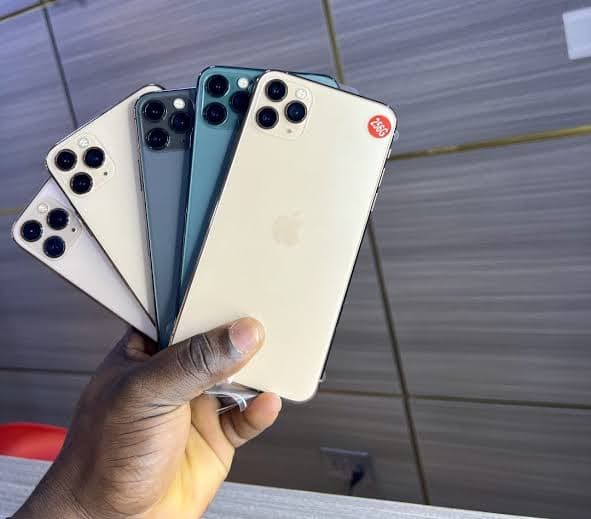
A recent social media debate has sparked intense conversations after a woman boldly claimed that buying a UK-used iPhone is a sin, especially from a Christian perspective. According to her, many second-hand iPhones imported into countries like Ghana may have questionable origins, with some allegedly linked to theft or illegal dealings abroad.
Her statement, “Christians, be careful what you call a good deal. That UK-used iPhone could be stolen—and spiritually expensive,” quickly went viral, triggering mixed reactions online. While some agreed with her concerns, arguing that unknowingly purchasing stolen goods could carry moral and spiritual consequences, others dismissed the claim as an overgeneralization, insisting that not all UK-used devices are stolen.
The debate has since evolved beyond smartphones, raising broader ethical questions about buying second-hand products without knowing their source. For many, it has become less about the iPhone itself and more about personal responsibility, conscience, and the importance of making informed choices as consumers.
As the conversation continues online, one question remains: Is buying a UK-used iPhone truly a sin—or is it simply a matter of personal belief and ethical judgment?