
The Supreme Court of the United States has handed President Donald Trump a significant legal victory by allowing his executive order seeking to restrict birthright citizenship to take effect in parts of the United States.
In a 6-3 ruling, the court did not determine whether the executive order is constitutional. Instead, the justices ruled that lower federal courts had gone too far by issuing nationwide injunctions blocking the policy from being enforced across the country.
The decision means the administration can begin implementing the order in states and jurisdictions that are not directly covered by ongoing lawsuits, while legal challenges continue in the courts.
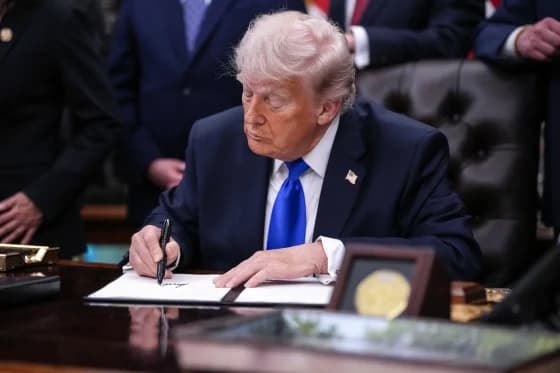
President Trump signed the executive order shortly after returning to office, seeking to deny automatic US citizenship to children born on American soil if neither parent is a US citizen or lawful permanent resident. The move has sparked intense legal and political debate over the interpretation of the Fourteenth Amendment to the United States Constitution, which has long been understood to guarantee citizenship to nearly everyone born in the country.
Opponents argue the order violates the Constitution and decades of legal precedent, while supporters insist the amendment was never intended to apply to all children born in the United States regardless of their parents’ immigration status.
Although the Supreme Court’s latest ruling represents a procedural win for the Trump administration, the broader constitutional question over birthright citizenship remains unresolved. The issue is expected to return to the nation’s highest court after lower courts complete hearings on the legality of the executive order.
The decision could have far-reaching implications for immigration policy in the United States and may reshape how federal court rulings are applied in future legal disputes.