
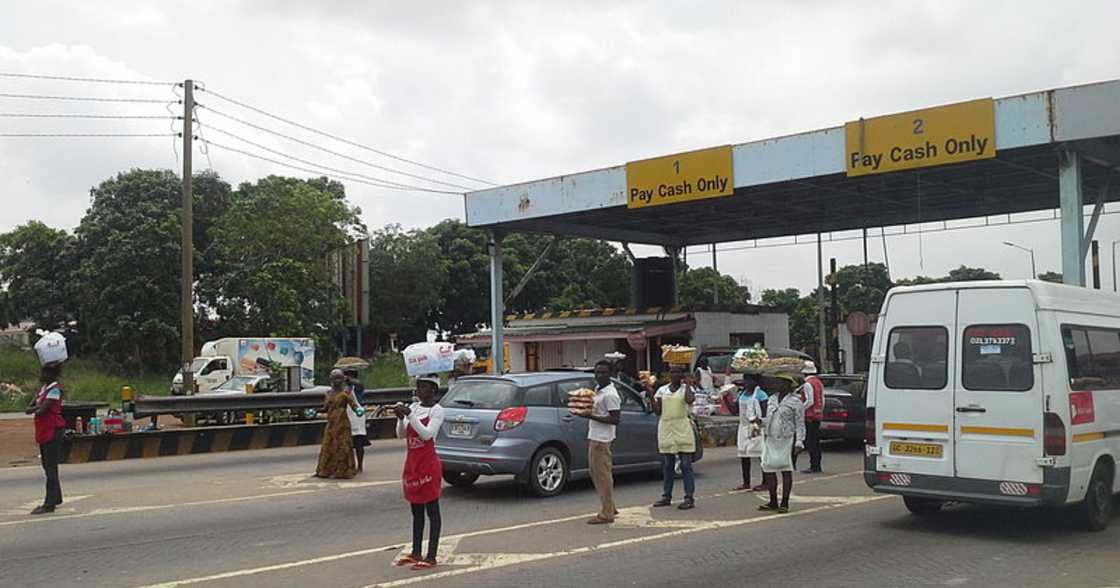
Parliament Approves 20-Year Concession for Electronic Road Tolls
Parliament has approved a 20-year concession agreement to pave the way for the implementation of an electronic road toll collection system, marking a major step in the government’s efforts to modernise road tolling and generate sustainable funding for road infrastructure.
The approval is expected to enable the introduction of a fully electronic toll collection system, replacing manual toll booths with a technology-driven platform designed to improve efficiency, reduce congestion and enhance transparency in revenue collection. The initiative forms part of the government’s broader strategy to strengthen road maintenance financing and improve the country’s transport infrastructure. (Ghana National Association)
Under the concession arrangement, the private operator will be responsible for developing, operating and maintaining the electronic tolling system over the next 20 years, while working with the government to ensure seamless toll collection across designated roads and bridges.
Officials say motorists will be able to pay tolls using digital payment options, including mobile money and electronic payment cards, eliminating the need for cash transactions at toll booths. The system is also expected to reduce travel delays, improve accountability and minimise revenue leakages.
The reintroduction of road tolls follows the government’s commitment to restore a key source of funding for road maintenance after toll collection was suspended in 2021. According to the Ministry of Roads and Highways, the electronic system will provide a more transparent and efficient mechanism for mobilising revenue to support road rehabilitation and expansion projects across the country. (Ghana National Association)
Government has maintained that proceeds from the electronic toll system will be channelled into maintaining existing roads, constructing new infrastructure and improving the overall quality of Ghana’s road network. Authorities believe the concession agreement will also attract private sector expertise and investment while ensuring the long-term sustainability of the tolling system.
The rollout of the electronic road toll system is expected to begin after the completion of the necessary implementation processes and regulatory requirements, with government expressing confidence that the new system will offer motorists a faster, more convenient and more reliable toll payment experience. (Ghana National Association)


