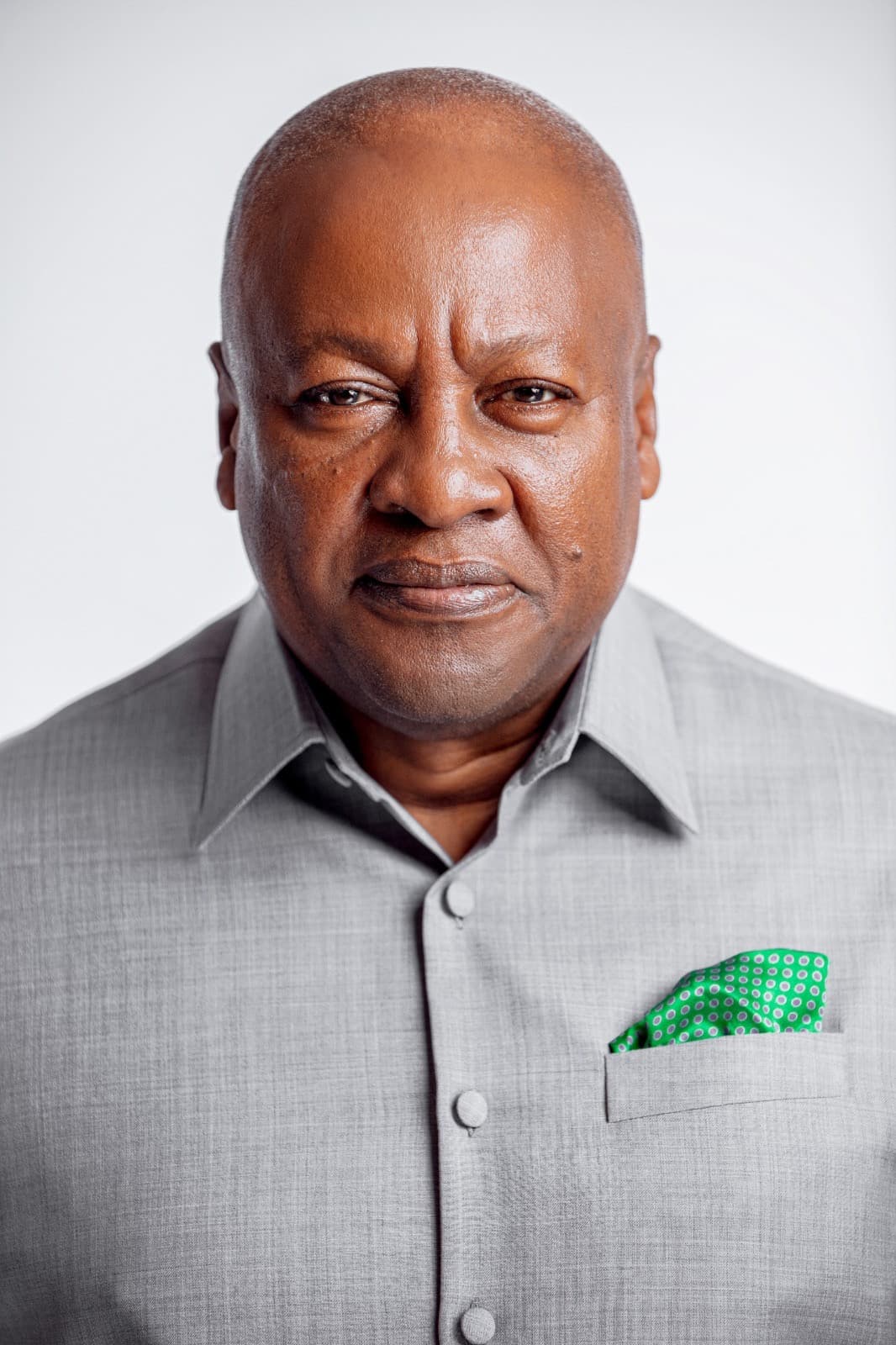
President John Dramani Mahama tore into Trump's claims with the kind of controlled fury that comes not from political calculation, but from memory. He invoked the Sharpeville massacre of 1960, where 69 Black South Africans were shot dead by police. He recalled the Soweto uprisings of 1976. He reminded the world that Ghana — under Kwame Nkrumah — marched, protested, and sheltered those fleeing a regime that treated Black people as subhuman on their own ancestral land. This, he argued, is the history Trump chose to erase with a misleading video clip — one of which, Mahama pointedly noted, was not even footage from South Africa. It was from the Democratic Republic of the Congo. His central argument was simple but devastating: if Black South Africans had truly wanted revenge, they had every opportunity — and every reason — to take it decades ago, when the wounds of apartheid were still raw and bleeding. They didn't. Instead, they built a rainbow nation. Today, more than half of South Africa's population is under 29, born after apartheid, and committed to a shared future. Mahama did not stop at defending South Africa. He widened the lens. He pointed out that despite being a minority, white South Africans still control the overwhelming majority of the country's wealth — a fact that makes the "genocide" narrative not just false, but grotesque in its dishonesty. "These statements," he wrote, "are a clear example of how language can be leveraged to extend the effects of previous injustices." The piece landed like a thunderclap in Washington. When Ghana's Foreign Minister arrived at the U.S. State Department shortly after, American officials confronted him with the article almost immediately. "Did your President actually write this?" they asked. The minister confirmed he did. Their response was telling: "Well, he's President now. Can you ask him to put his pen down?" Mahama's answer, it appears, was no. For a leader who has built his second term around the idea that Africa must stop waiting for the world's permission to define itself, the op-ed was more than a rebuke of Trump. It was a declaration. Africa knows its own history. It will not allow that history to be rewritten in an Oval Office — not for politics, not for provocation, and certainly not in silence.
Politics
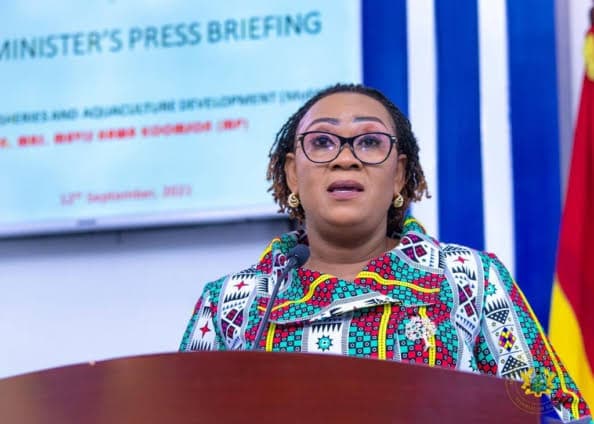
Watch: I’ll Give Every Woman Pepper Spray If I Win”- Hawa Koomson
Hawa Koomson has pledged to provide pepper spray to women if elected as the NPP National Women’s Organiser. She says the move would help women protect themselves in dangerous situations and would be accompanied by self-defence training.