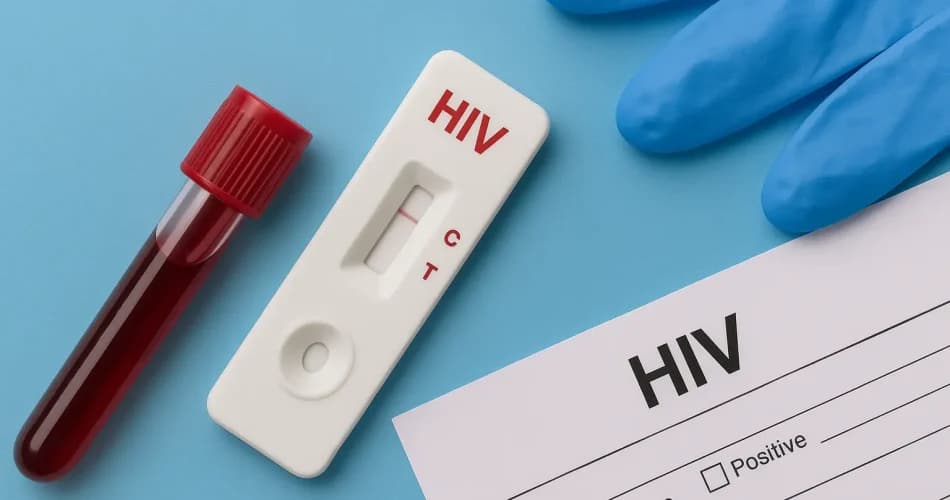
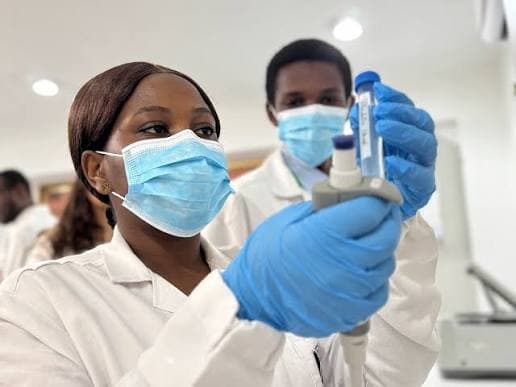
Ghana has secured €2 million in research and development grants to support eight projects aimed at strengthening local production of medicines, vaccines and diagnostic technologies.
The funding has been awarded under the PharmaVax Ghana programme, which brings together Ghanaian research institutions and pharmaceutical companies to turn scientific discoveries into practical healthcare products. The initiative is jointly supported by the European Union and Germany’s Federal Ministry for Economic Cooperation and Development (BMZ).
The grants were presented during a “Research Meets Manufacturing” ceremony held in Accra on August 19, 2026. Ghanaian partners are also contributing an additional €425,000 towards the implementation of the projects, bringing the combined investment to €2.425 million.
The selected projects cover several important health areas, including child-friendly malaria treatment, vaccine development, herbal medicine, hypertension, snake venom antiserum and the use of artificial intelligence in developing diagnostics and antibodies for malaria and Mpox. The projects were selected from 43 proposals following an assessment by an independent nine-member Ghanaian expert committee.
Among the beneficiaries, the Noguchi Memorial Institute for Medical Research and Atlantic Lifesciences received €500,000 to generate stability data that could support regulatory approval and local production of tetanus-diphtheria vaccines and tetanus antitoxin. Central University and Ernest Chemists also received €250,000 to develop and validate a standardized herbal treatment for hypertension for potential large-scale production.
Health Minister Kwabena Mintah Akandoh said the initiative should help Ghana move beyond research publications and ensure promising discoveries eventually reach production and the people who need them. The programme is expected to strengthen Ghana’s pharmaceutical industry, reduce dependence on imported health products and improve the country’s capacity to respond to future health emergencies.
The initiative also provides beneficiaries with technical assistance, networking opportunities and knowledge exchange to help move their research from laboratories towards commercial production. The National Vaccine Institute says stronger collaboration between researchers and manufacturers could eventually enable medicines and vaccines developed in Ghana to serve both the domestic market and other countries across West Africa.