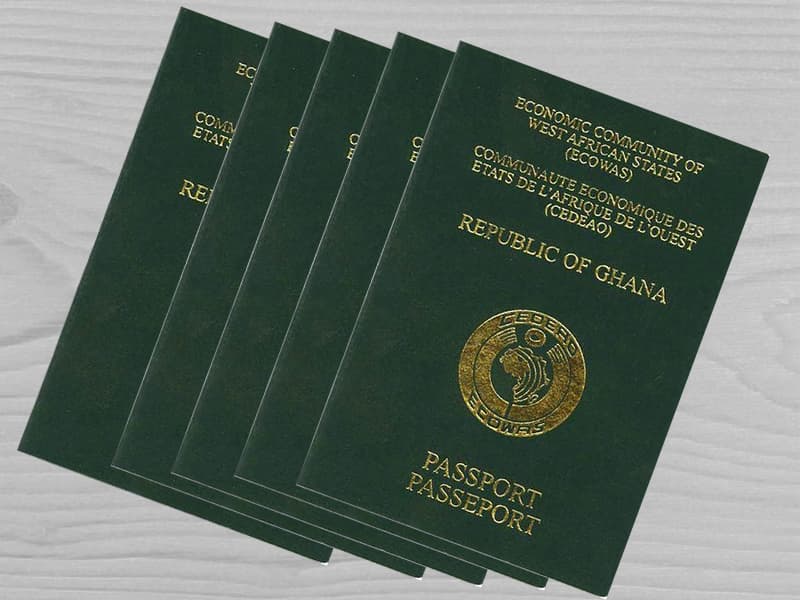
The alert, issued on May 1, 2026, follows a growing number of cases in which Ghanaian nationals have been arrested and detained in foreign countries after border authorities detected forged immigration stamps in their travel documents. The Ministry said the incidents had reached a level of concern serious enough to warrant an urgent public advisory. At the heart of the issue is a practice where individuals posing as travel agents or "connection men" offer to insert fake stamps into passports to create the impression of a rich travel history — something visa applicants sometimes believe improves their chances of being approved. It is a shortcut that, authorities are making clear, comes with devastating consequences. Under both Ghanaian law and the laws of most foreign countries, tampering with travel documents is a serious criminal offence. Those caught face a range of severe penalties including arrest, prosecution, imprisonment, heavy fines, deportation, and long-term travel bans that can effectively shut a person out of international travel for years. Critically, the Ministry stressed that the passport holder bears full legal responsibility for the contents of their own document — meaning even those who paid someone else to do it cannot shift the blame. The warning also comes at a time when Ghana is rolling out advanced chip-embedded, polycarbonate e-passports that meet international biometric standards. These new documents make fraud far harder to pull off — foreign border agencies can now cross-check physical stamps against digital records, making forged entries increasingly easy to detect. The Ministry urged Ghanaians to rely only on legitimate and accredited channels for visa processing, to comply fully with immigration laws in whichever country they are in, and to reach out to Ghana's diplomatic missions abroad if they need assistance. The government reaffirmed its commitment to protecting the welfare of citizens abroad and pledged to continue working with international partners to stamp out the practice.Sonnet 4.6
Politics
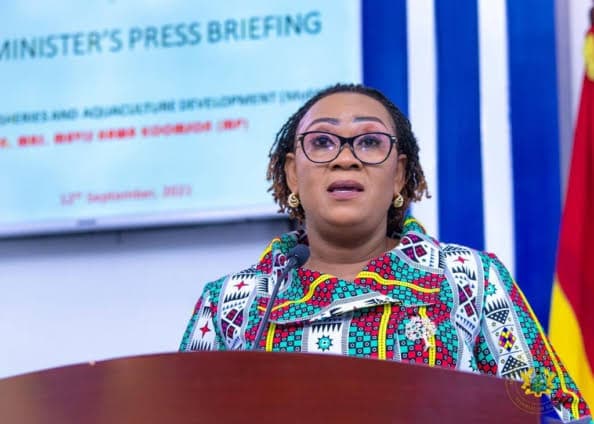
Watch: I’ll Give Every Woman Pepper Spray If I Win”- Hawa Koomson
Hawa Koomson has pledged to provide pepper spray to women if elected as the NPP National Women’s Organiser. She says the move would help women protect themselves in dangerous situations and would be accompanied by self-defence training.