The Ghana Institution of Engineering has outlined a comprehensive 19-point strategy aimed at tackling Ghana’s persistent flooding, urging authorities to move beyond short-term responses and adopt lasting engineering solutions.
According to the institution, the country’s annual floods have become a major national challenge, causing loss of lives, destruction of property and significant economic setbacks. It stressed that addressing the problem requires coordinated action from government, engineers, local authorities and the public.
Among its key recommendations are the strict enforcement of planning and building regulations, rehabilitation and expansion of drainage infrastructure, regular desilting of gutters, and stronger controls against illegal developments on waterways and flood-prone areas.
The engineering body also called for improved solid waste management, warning that indiscriminate dumping of refuse into drains continues to worsen flooding during heavy rainfall.
Other proposals include the use of modern technology for flood forecasting, routine maintenance of drainage systems, climate-resilient infrastructure, improved public education on environmental sanitation, and stronger collaboration among state institutions responsible for urban planning and disaster management.
The institution further urged policymakers to integrate flood risk assessments into all major infrastructure projects and ensure engineering standards are consistently applied across the country.
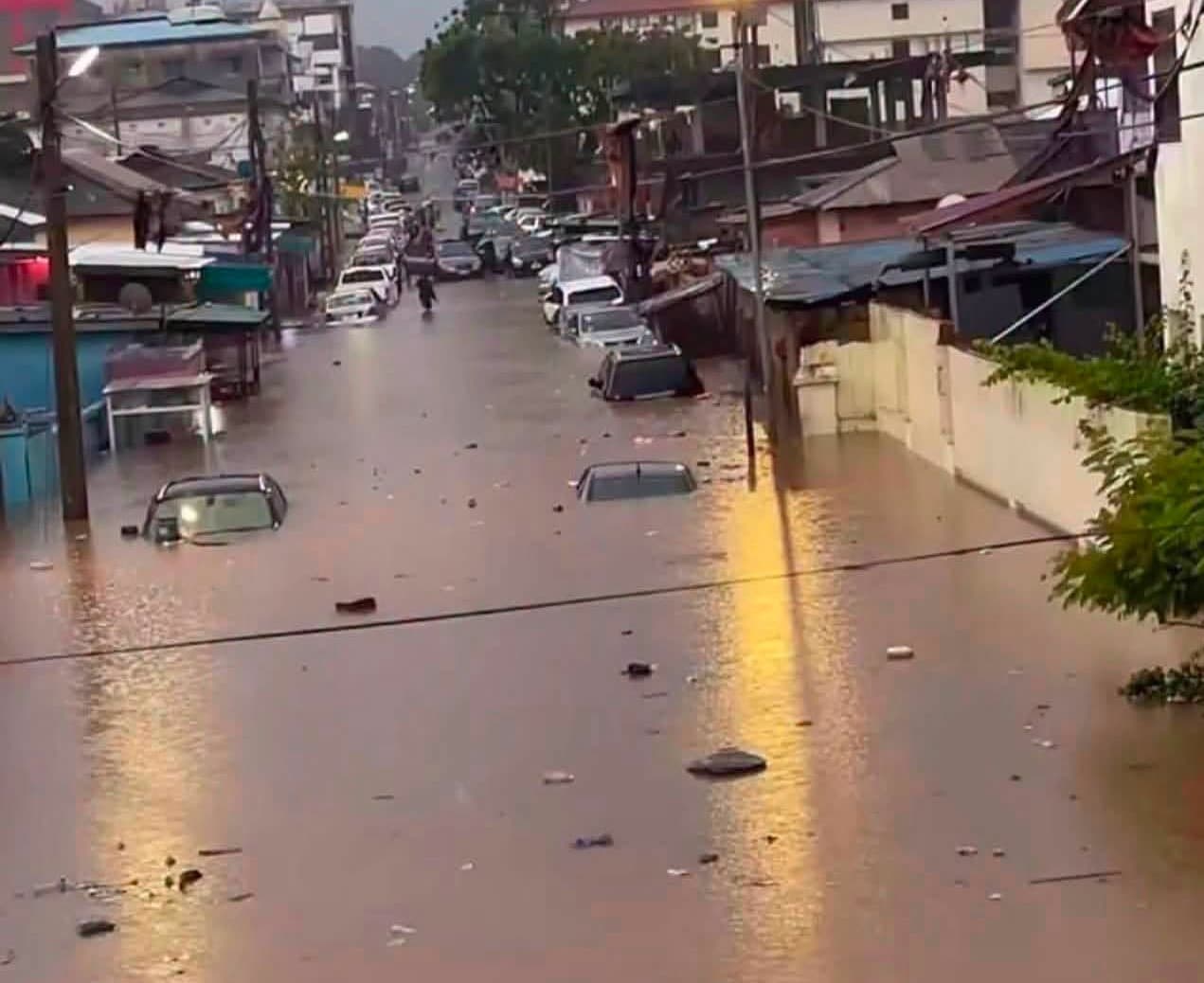
The recommendations come in the aftermath of recent floods that affected several communities across Ghana, renewing public concern over the country’s preparedness for extreme weather events.
The engineering body believes implementing the 19-point plan would not only reduce the frequency and severity of floods but also strengthen Ghana’s resilience against the growing impact of climate change.