
His comments reflect growing public frustration over persistent power supply issues that have continued to affect homes, businesses, and daily life across the country. While the current administration has made pronouncements about tackling the energy sector's problems, Nana Romeo's take signals skepticism about how quickly meaningful change can realistically be delivered. The broad timeframe he gave — three months on the optimistic end, two years on the more realistic side — suggests that while short-term fixes may be possible, a lasting and comprehensive solution to Ghana's power crisis will require deeper structural work that cannot happen overnight. The energy sector has long been plagued by a combination of challenges including debt owed to power producers, aging infrastructure, overdependence on hydro power, and financial difficulties within the sector's key players. These are issues that successive governments have struggled to fully address. Nana Romeo's remarks are likely to resonate with many Ghanaians who have grown weary of load shedding and unreliable supply, and add to the chorus of voices calling on the Mahama administration to treat the power crisis as one of its most urgent priorities.
Business
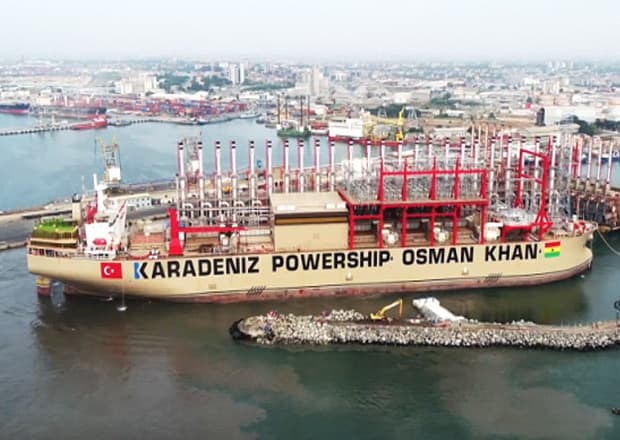
Karpowership Wants Ghana Power Deal Extended Beyond 2027
Karpowership Ghana is currently engaging the government over a possible extension of its electricity-generation agreement, which is due to expire in August 2027. The company says it remains hopeful about securing a new arrangement as it continues supplying 450 megawatts to Ghana’s national grid.